
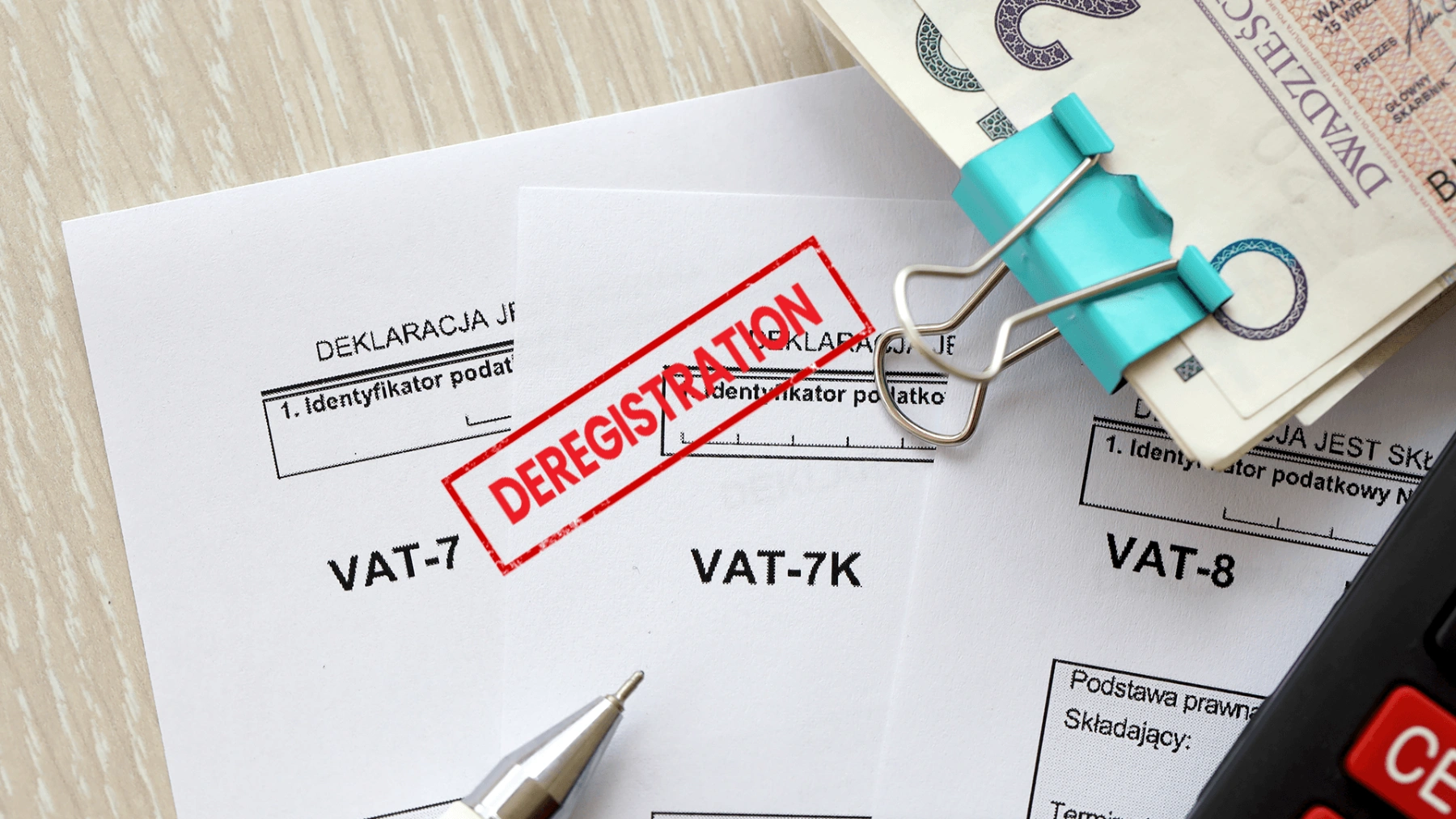
- stop filing regular VAT returns
- continue maintaining records for a set period afterward
It doesn’t happen automatically just because you think you’re no longer eligible. You must apply for it, and the timing is important.
When VAT Deregistration Is Required
There are several situations where businesses must apply to deregister:
1. Turnover Falls Below the Required Threshold
If your business’s total taxable supplies over the last 12 months fall below the mandated levels, you may no longer need VAT registration. There are two key benchmarks here:
- Mandatory deregistration often applies when turnover drops below the voluntary registration threshold (less than AED 187,500).
- It may be optional when turnover is below AED 375,000 (mandatory threshold) but above AED 187,500.
2. Business Has Stopped Making Taxable Supplies
If your company stops selling goods or services that attract VAT - and you don’t expect to resume doing so - deregistration applies. This includes businesses that have closed physical operations but remain technically registered.
3. Business Closure or Liquidation
If the company ceases operations entirely - such as shutdown or liquidation - VAT deregistration must be completed as part of ending compliance obligations.
4. Change in Business Structure or Strategy
Notable changes such as mergers, acquisitions, or changes in exempt activities may also be valid reasons for deregistration. This is less common but important to note.
How the VAT Deregistration Process Works
The process itself is done through the FTA’s EmaraTax portal. While it seems simple online, there are specific steps you must follow carefully:
Step 1: Log in to the EmaraTax Portal
Use your business’s credentials or UAE PASS to access the FTA dashboard.
Step 2: Start the Deregistration Application
Under the VAT section, select Deregister. You’ll be prompted to choose a reason aligned with your situation.
Step 3: Provide Supporting Documents
- financial statements
- evidence of business closure or changes in taxable supplies
Step 4: Submit Final VAT Return
You must file your final VAT return up to the effective date of deregistration and settle any outstanding VAT liabilities.
Step 5: Wait for FTA Review and Approval
Usually, it takes the FTA between 20 business days to make a decision on an FTA application; however, this period can be extended by a request for additional information.
Post-Deregistration Obligations
Getting deregistered doesn’t mean everything ends immediately. After approval you must:
- stop issuing VAT invoices
- keep VAT records for at least five years
- ensure you’ve filed all required returns up to the deregistration date
Failing to maintain proper records after deregistration can still attract compliance checks or penalties.
Common Mistakes Businesses Make - and How to Avoid Them
When applying for VAT deregistration, several errors often crop up. These can delay approval or trigger fines:
1. Waiting Too Long to Apply
Once a business becomes eligible, the FTA expects deregistration to be submitted within 20 business days. Missing this deadline can lead to penalties.
Avoidance tip: Track your turnover and taxable activity monthly, especially if it’s nearing thresholds.
2. Filing with Outstanding Returns
Submitting deregistration requests while VAT returns are still pending is a common error.
Avoidance tip: Make sure all returns up to the deregistration date are filed and any VAT owed is paid in full.
3. Assuming Deregistration Is Retroactive
Some businesses think that once they apply, obligations end immediately.
Avoidance tip: You must continue complying - including issuing VAT invoices and filing returns - until the FTA gives final approval.
4. Providing Inaccurate Details
Simple errors like incorrect turnover figures or outdated business information can delay the process.
Avoidance tip: Double-check all entries against official records before submitting.
Why VAT Deregistration Matters
Many business owners overlook deregistration until they’re already out of compliance. But it matters because:
- failing to deregister on time means you’re still bound by VAT rules
- late deregistration can result in administrative penalties
- it affects your accounting systems and future compliance plans
Completing deregistration correctly helps cleanly exit VAT responsibilities and supports smooth business transitions.
How BusinessHeads Simplifies VAT Deregistration for UAE Businesses
VAT deregistration can sometimes be a bit confusing, especially for businesses dealing with timelines, thresholds, and final returns. At BusinessHeads, we assist businesses with the entire VAT deregistration process with proper compliance to ensure that nothing is left out.
Here’s how we support your VAT deregistration:
- Eligibility Assessment: We monitor your turnover, taxes paid on supplies, and your business activity to verify the necessity or choice of deregistration.
- Complete Documentation Review: Our team will check the financial statements, VAT returns, and other corresponding documents before submitting them.
- Accurate Deregistration Filing: We will properly and successfully prepare and present our application for deregistration through the FTA online portal.
- Final VAT Return Handling: We also ensure that any pending VAT returns are filed and any liabilities paid before processing an application for deregistration.
- Post-Deregistration Compliance Guidance: We guide you even on retention of records, obligations for compliance post-approval to avoid any issues thereafter.
It will be a smooth administrative step rather than a compliance risk with proper planning and professional handling of VAT deregistration.
Get a quote now and avoid costly mistakes in your VAT deregistration.
VAT deregistration in the UAE may not be discussed as often as registration or filing, but is just as important. Whether your business is downsizing, refocusing, or dissolving completely, understanding when deregistration is necessary and how best to avoid errors is crucial.
Handled properly, deregistration is just another part of good tax management - not something to be afraid of.
Ready to transform your business?
Industry-leading consulting firm with innovative solutions
Tax registration and filing
Healthcare Management
Business consultancies service
Ready to transform your business?
Industry-leading consulting firm with innovative solutions
Tax registration and filing
Healthcare Management
Business consultancies service
Ready to transform your business?
Industry-leading consulting firm with innovative solutions
Tax registration and filing
Healthcare Management
Business consultancies service